Genuine, OE, OEM or aftermarket: what those labels actually mean
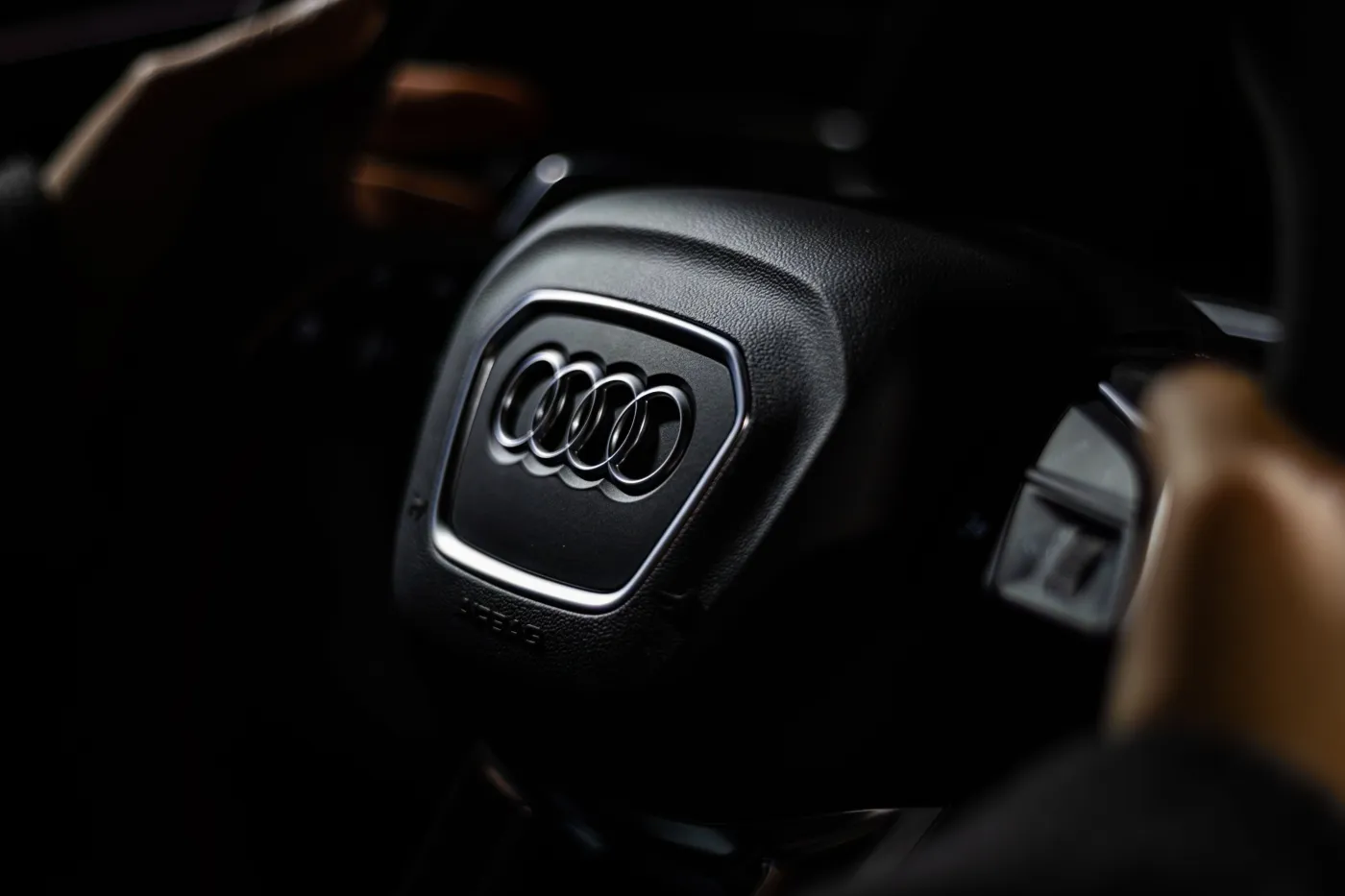
Go looking for a single part for your car and you'll bump into the same four words over and over: genuine, OE, OEM, aftermarket. It doesn't matter whether you drive a Ford, a BMW, a Toyota or a Land Rover, the labels are the same and they get thrown around as though everyone already knows what they mean. The definitions even shift a little depending on who's using them, which doesn't exactly help. But the difference is real, and most of the time it's the difference between two prices for what looks like the same part. Worth getting straight before you buy.
Genuine parts
A genuine part is the one with the carmaker's own badge on the box. It's the exact part the car left the factory with, sold through the manufacturer's own network. Fit is guaranteed, it usually carries a manufacturer warranty, and it's the dearest option of the four. If you're keeping a car original, or you simply want no doubt whatsoever, genuine is the safe call. Part of what you're paying for is the badge and the peace of mind that comes with it.
OE parts
This is the bit that catches people out. A lot of the parts on your car were never actually made by the company whose badge is on the bonnet. They were made by specialist suppliers, the likes of Bosch, Brembo or Valeo, and sent to the factory to be fitted on the production line. An OE, or original equipment, part is that same component from that same supplier, just without the carmaker's badge and the markup that rides along with it. Same factory, same spec, often a noticeably smaller number on the price tag. For most people, this is the sweet spot.
OEM parts
OEM, original equipment manufacturer, sits right next to OE, and truthfully the two get used interchangeably half the time. Strictly speaking it points to the firm that actually produces the part for the automaker. In practice, when you see OE or OEM on a listing you're looking at the same idea: a part built to the original standard by the company that supplies the factory, minus the premium of the branded box. The label matters less than knowing where the part comes from and what it's built to.
Aftermarket parts
Aftermarket covers everything made by companies with no link to the production line, and that's an enormous range. At one end you've got well-regarded brands turning out solid, dependable parts, occasionally even an improvement on the original. At the other end you've got cheap stuff that will let you down. The word "aftermarket" on its own tells you almost nothing about quality. The brand behind it tells you nearly everything. A good aftermarket part from a name you trust can be brilliant value. A no-name one is just a gamble.
So which should you buy?
There isn't one right answer, which is exactly why it pays to understand the options instead of just grabbing the cheapest or the priciest and hoping. A rough steer: for the safety-critical stuff, brakes, steering, suspension, lean towards genuine or a strong OE part and don't go chasing the very bottom of the market. For wear items and the less critical jobs, a good OE or a reputable aftermarket part will usually do the job for a good deal less. And if you're restoring a car or selling one where originality counts, genuine earns its premium.
The one thing that really shouldn't happen is being sold one grade while paying for another, or not being told which you're getting at all.
That's the part we care about at SimpleSpares. When you look up a component for your car, we show you the options that actually fit and we tell you plainly which grade each one is, so you can weigh price against quality and decide for yourself. No badge games, no guessing. And if you're not sure which way to go on a particular part, send us your VIN and what you're after, and we'll help you work it out.