How long do brake pads last, and how to tell when they're worn
Brakes are the one part of your car you really don't want to gamble with, and yet brake pads wear down so gradually that most people never notice until there's a noise. So how long do they actually last, and how do you tell when yours are on the way out? Let's clear it up.
The honest answer to how long they last is that it depends, but there are some solid numbers to work from and, better still, some obvious signs to watch and listen for.
So how long do brake pads last?
Most brake pads last somewhere between 30,000 and 70,000 km, or very roughly 20,000 to 45,000 miles. That's a wide range, and it's wide for a reason. How you drive matters more than almost anything. Lots of stop-start city traffic, heavy loads, towing, or a heavy right foot will chew through pads far quicker than steady motorway miles. Front pads also wear faster than the rears, because the front brakes do most of the work, so it's normal to replace the fronts more often. Treat any mileage figure as a rough guide rather than a promise, and let the signs below do the real talking.
The sounds that tell you it's time
Your ears will usually warn you first. A lot of pads have a small metal wear indicator built in, a little tab that starts to touch the disc as the pad gets thin and gives off a high-pitched squeal when you brake. That squeal is the pad politely telling you to book it in. What you don't want to hear is a harsh grinding or scraping. That's usually metal on metal, the pad worn right down to its backing plate, and by then you're almost certainly damaging the disc too, which turns a cheap job into a dear one.
The other signs to watch for
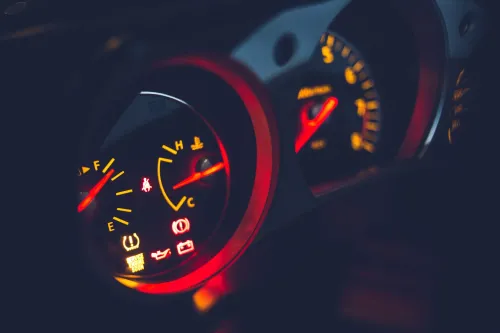
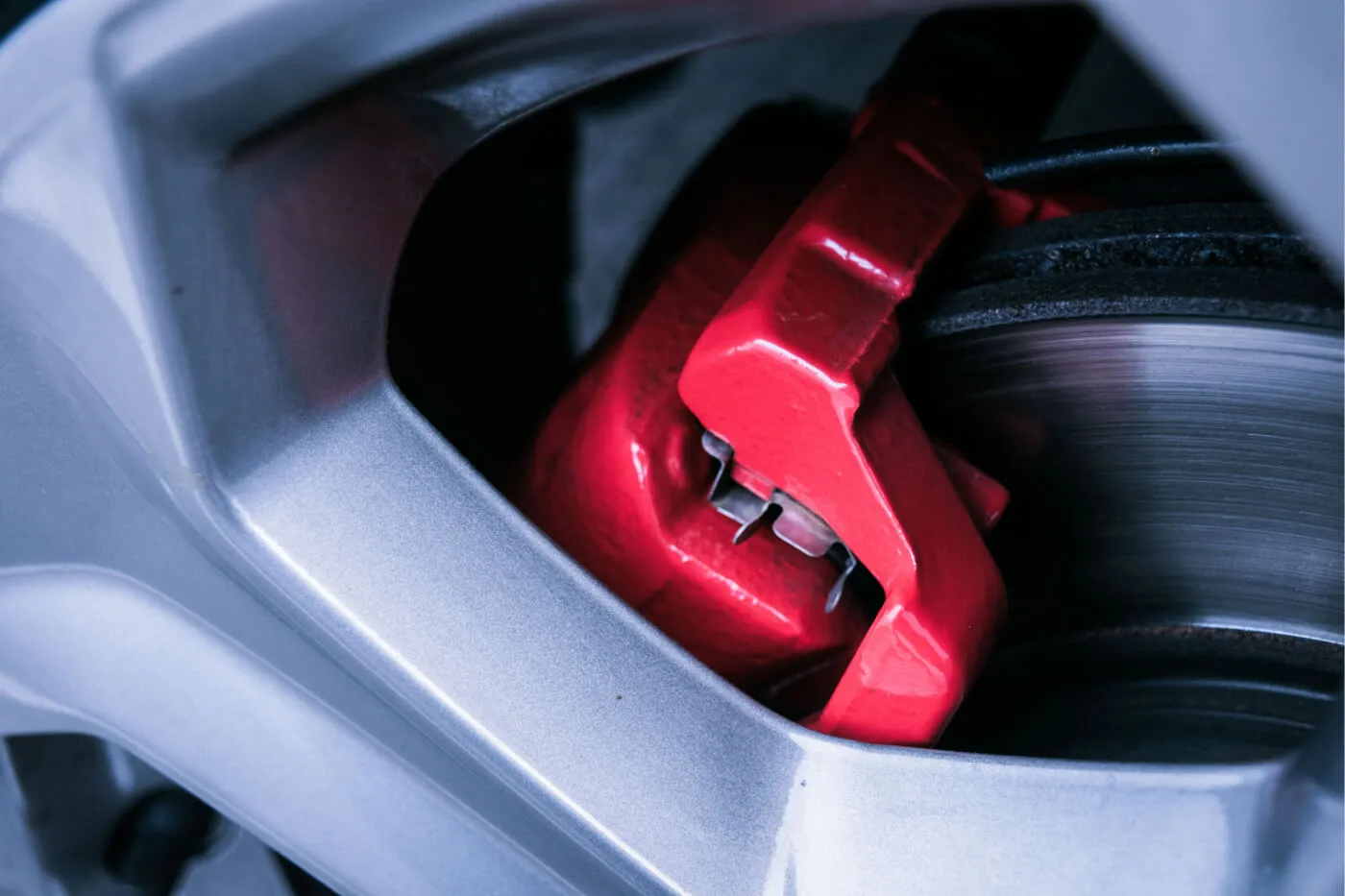
It isn't all about noise. Keep an eye and a feel out for a few other things. A brake warning light on the dash. Longer stopping distances, or a pedal that feels softer or spongier than it used to. A shudder or vibration through the pedal when you brake, which often points to warped discs rather than the pads. The car pulling to one side as you slow down. And if you can see the pad through the wheel, a good rule of thumb is that once the friction material is down to around three millimetres, it's time to plan a replacement.
Brakes due a refresh?
Send us your VIN and we'll match the right pads and discs to your exact car before you order.
A quick word on replacing them
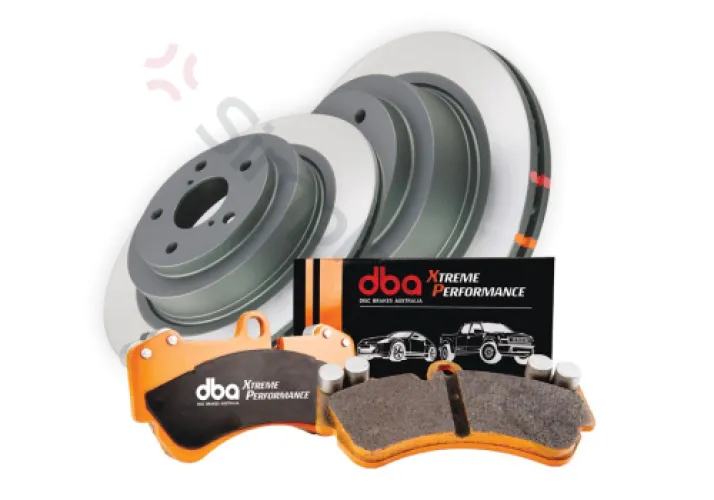
Two things worth knowing when the time comes. Brake pads are replaced in pairs across an axle, never just the worst one, so both wheels brake evenly. And it's always worth checking the discs at the same time, because pads and discs wear together, and fitting fresh pads onto tired discs is a false economy. Stick to the right pads for your car, matched to the make, model and often the exact build, and your brakes will feel the way they should.
From worn to sorted
When yours are due, we can help you get the right ones. Search SimpleSpares by part number or by your car across all the major brands, match the pads and discs to your exact vehicle by VIN so they fit first time, and have them shipped wherever you are. Good brakes are not the place to guess, so fit the parts that were made for your car.

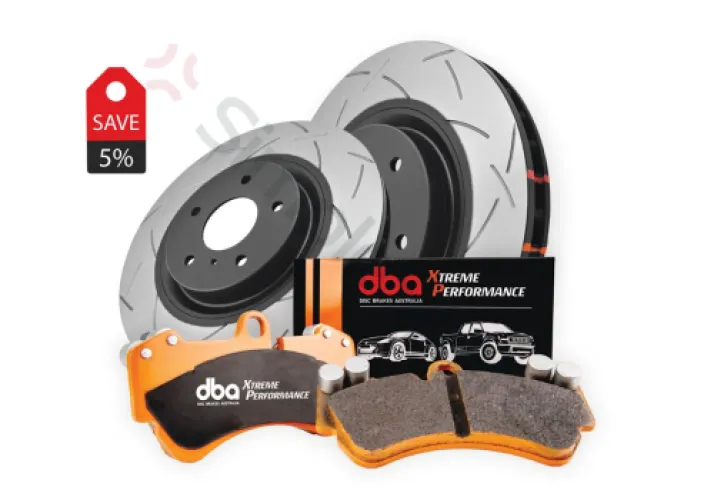
€422,31
Excl. VAT
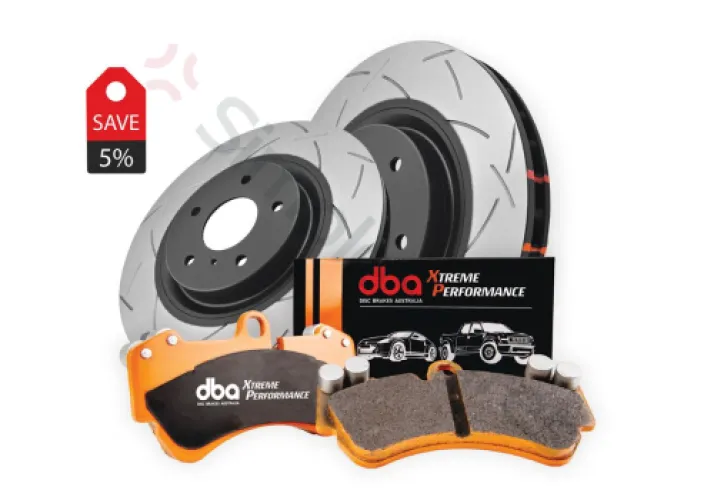
€464,69
Excl. VAT
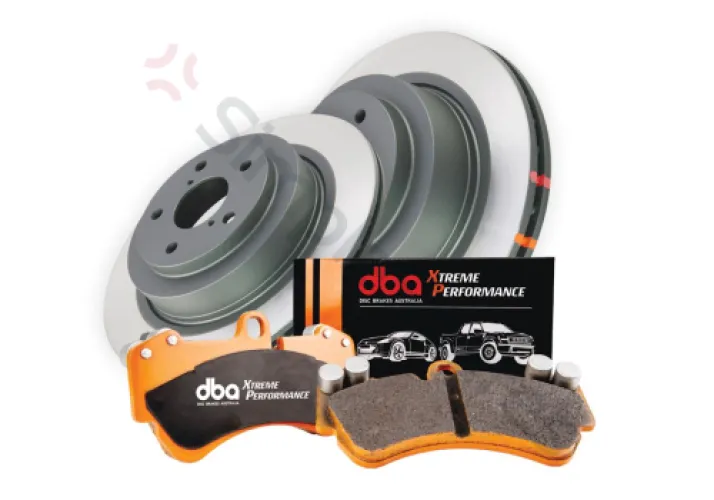
€432,40
Excl. VAT